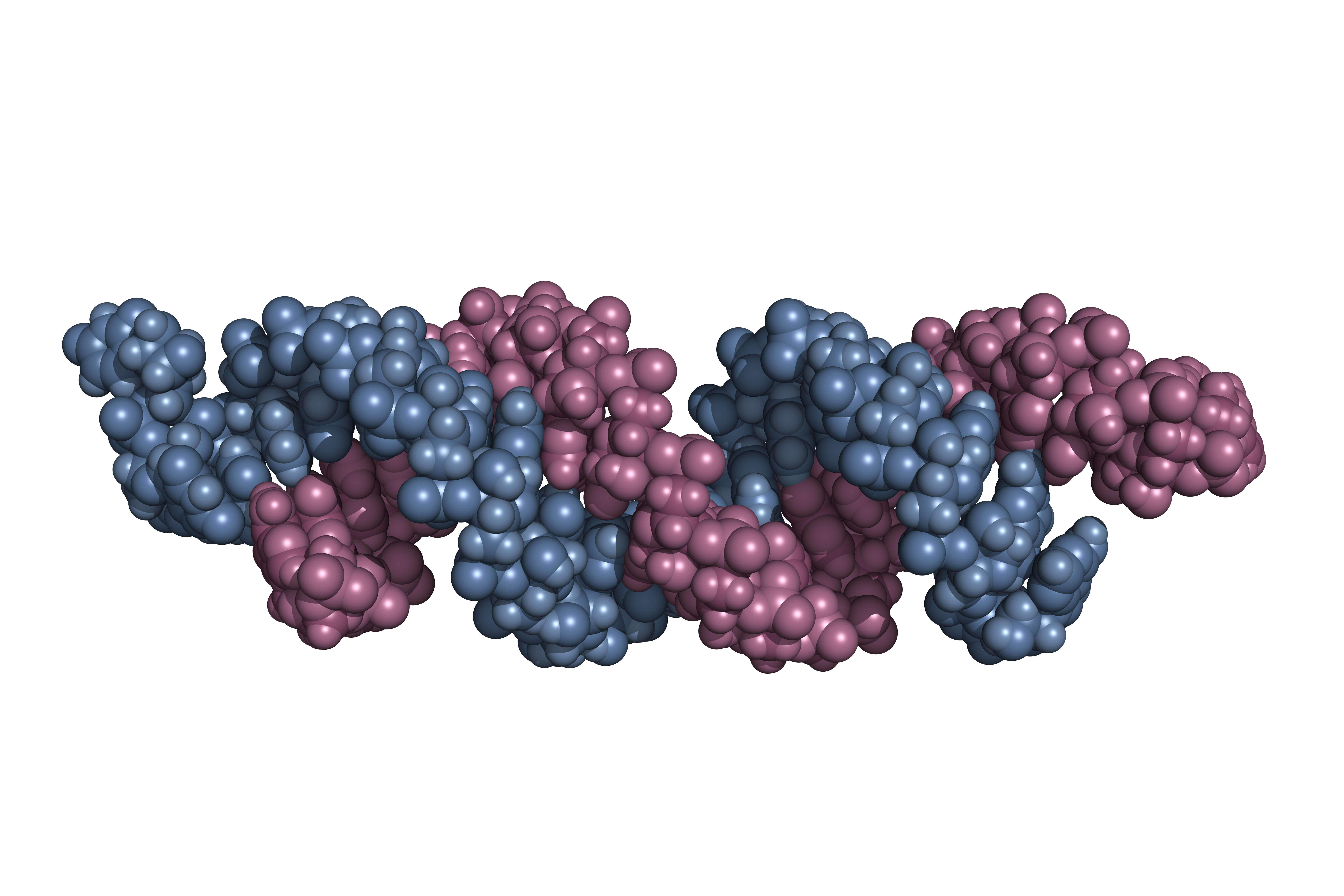
Nissan Chemical Corporation, a forerunner in chemical innovations, is seeking novel ASO and siRNA therapeutics for CNS and liver diseases. They are especially interested in therapeutics that are facing challenges with toxicity, stability, and efficacy, which may be able to leverage their proprietary platform which incorporates 2’-O-[2-(N-methylcarbamoyl)ethyl] (MCE)-modified nucleotides to overcome these challenges.
Approaches of Interest:
- Diseases of interest include rare and neurodegenerative CNS diseases (e.g. ALS, inherited ataxias), rare metabolic and liver fibrosis diseases (e.g. MASH, PBC, PSC), and conditions caused by hepatocyte-secreted proteins (e.g. complement-related disorders, hemophilia)
- Therapeutics for CNS disorders could be delivered locally (e.g. via intrethecal or intracerebroventricular injection) or systemically with BBB-penetrating technologies. For liver disorders, therapeutics should be administered systemically and act within hepatocytes.
- Therapeutics that work through gene silencing are highest priority
- Novel gene and protein targets for diseases of interest are in scope
Out of Scope:
- Ultra-rare CNS and liver diseases (i.e. less than 1000 patients globally)
- Therapeutics that act via gene upregulation
- Other nucleic acid therapeutics (e.g. aptamers, miRNA)
- Novel chemically modified nucleic acid platforms
Developmental Stages of Interest:
- Opportunities from basic research to late preclinical are in scope, provided there is in vivo proof of concept
Submission Information and Opportunity for Collaboration
Submission of one-page, 200–300-word briefs is encouraged, along with any optional supplementary information e.g. relevant publications. In submitting to this campaign, you confirm that your submission contains only non-confidential information.
Nissan Chemical Corporation is looking to establish research collaborations with partners who would be able to leverage their MCE-ASO/siRNA platform, which incorporates MCE-modified nucleotides. This unique chemistry is engineered to provide enhanced nuclease resistance, minimize hepatotoxicity and neurotoxicity, and improve knockdown efficacy and durability in vivo. They may also consider strategic investment.
Access full details
See the full details and submit your response through Inpart Connect.