Creating more sustainable plastics and PLFs
We're working to mobilize the university-industry ecosystem in our Global Challenge campaign to address sustainable plastics and PLFs.
Run in partnership with:
Since their breakthrough invention in the early 1900s, plastics have revolutionized our society, becoming an essential part of the way we operate, especially as single-use, packaging items. They are incredibly useful as a versatile and durable material, playing an essential role across many aspects of life, including medical technologies, food preservation, electronics and textiles. However, due to the methods of their production and their reluctance to be recycled, plastics and PLFs (polymers in liquid formation) are now a major environmental problem globally.
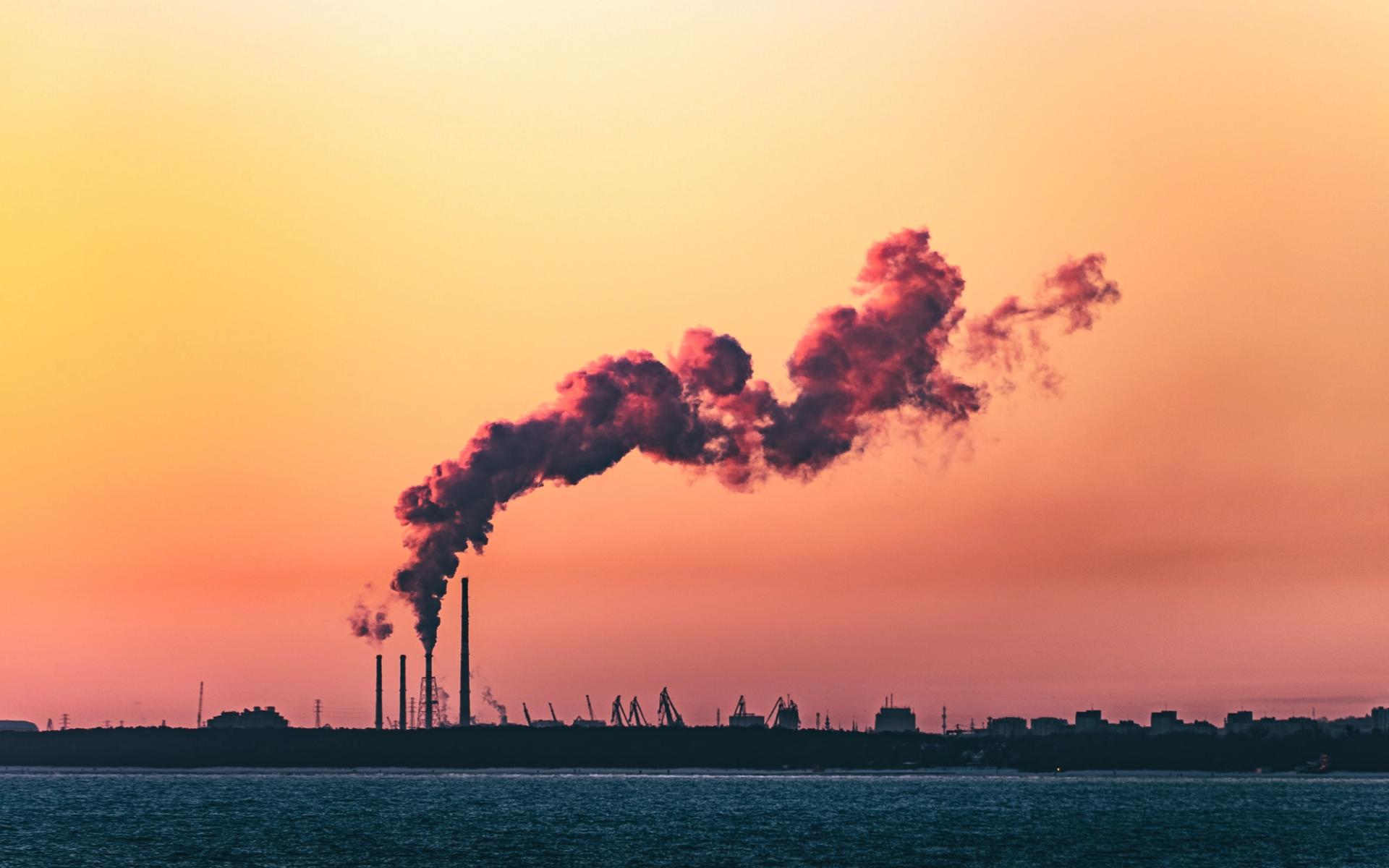
The emission of greenhouse gases comes hand-in-hand with the production of plastics and PLFs. Polymerizing non-renewable fossil fuels such as crude oil forms the basis of their production. Disposal is another major issue; incinerating plastics releases more greenhouse gases. This is in addition to those released when low-density plastics are left to break down in the ocean or in landfill. And furthermore, a recent report from the Center for International Environmental Law projects that by 2050, carbon dioxide emissions from plastic could reach over 2.75 billion metric tons annually as the production industry continues to grow.
Tackling the problem of plastics and PLFs must be addressed on multiple fronts. Firstly, their production must become sustainable, meeting our needs without depleting the resources that future generations require to meet theirs. This means moving away from non-renewable feedstocks and creating a circular economy. Secondly, their production must minimize harmful waste and greenhouse gas emissions, from the very earliest stages of their production through to disposal or recycling.
New innovations and solutions often come from academia, which is why we're launching a Global Challenge campaign to help mobilize and support the academia-industry ecosystem, and as a result, bring the next generation of solutions to the plastic pollution crisis to the surface.
Our aim is to gather the latest academic research projects, technologies and expertise that addresses the global plastic pollution crisis. This includes research into sustainable and bio-based plastics, embedding end-of-life technology to support recycling and zero-waste manufacturing processes for plastics and PLFs.
With all the projects we receive, we’ll then proactively disseminate them to external innovation and R&D teams with aligned interests across our global industry network. This is with the view to help initiate new conversations that lead to the development of better, more sustainable ways of producing, using and recycling plastics.
Written by Ruth Kirk. Edited by Alex Stockham.
Copyrights reserved unless otherwise agreed – Inpart., 2021: ‘The next big challenge: Sustainable plastics and PLFs (polymers in liquid formulations)’